
Summary
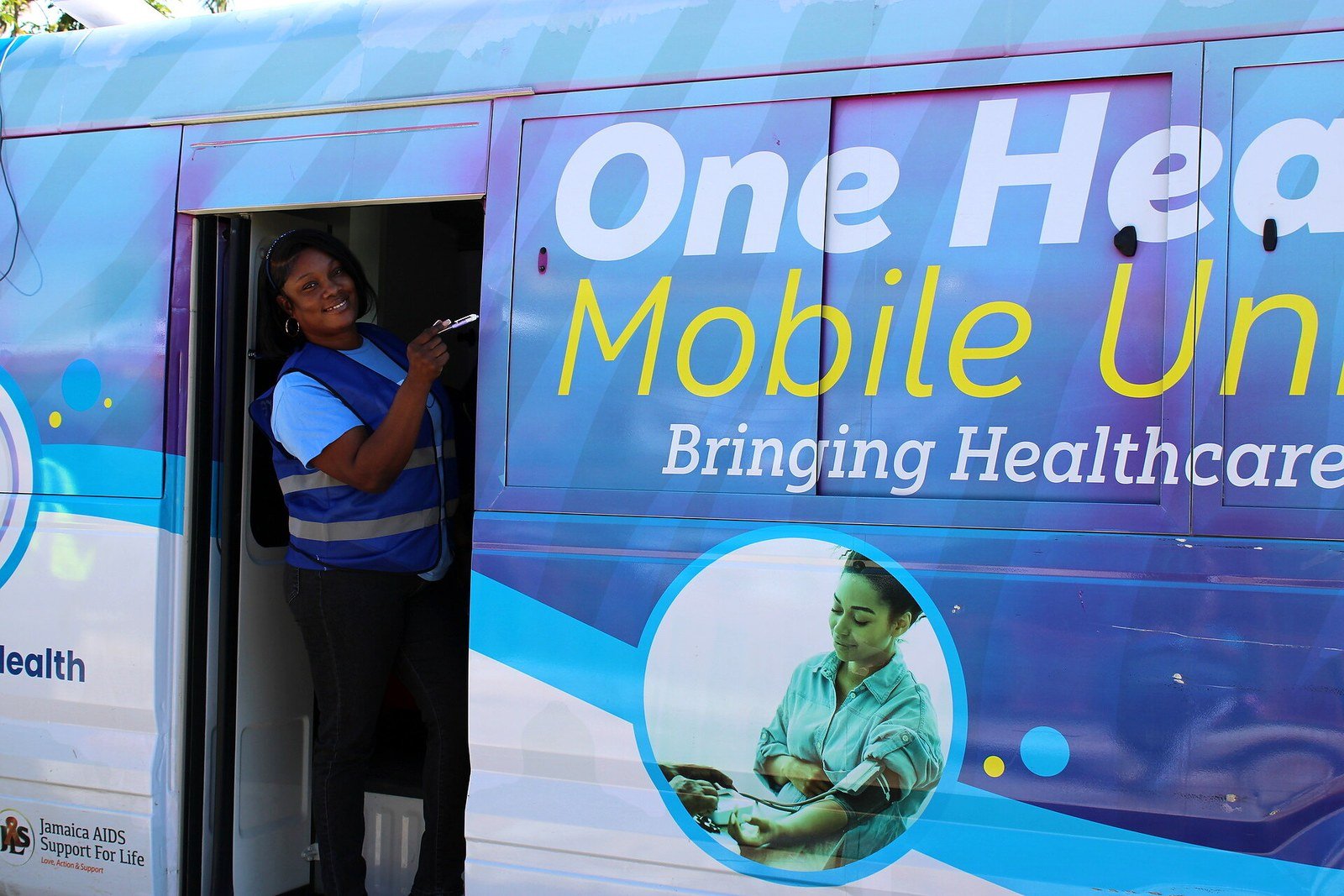
On December 13th, 2025, a mobile field clinic was deployed in Seaford Town, Westmoreland, with clinical services delivered by MobiCare Medical Centre under a CASSM-funded initiative. Fifty patients were seen in a single day of operation. The deployment was the third in the Hurricane Melissa relief series, following Black River and Petersfield.
Community Context
Seaford Town is a rural community in Westmoreland with limited routine access to primary healthcare, particularly for the elderly, children, and residents managing non-communicable diseases. Transportation costs, distance to health centres, and economic pressure contribute to delayed care-seeking and poor control of chronic conditions.
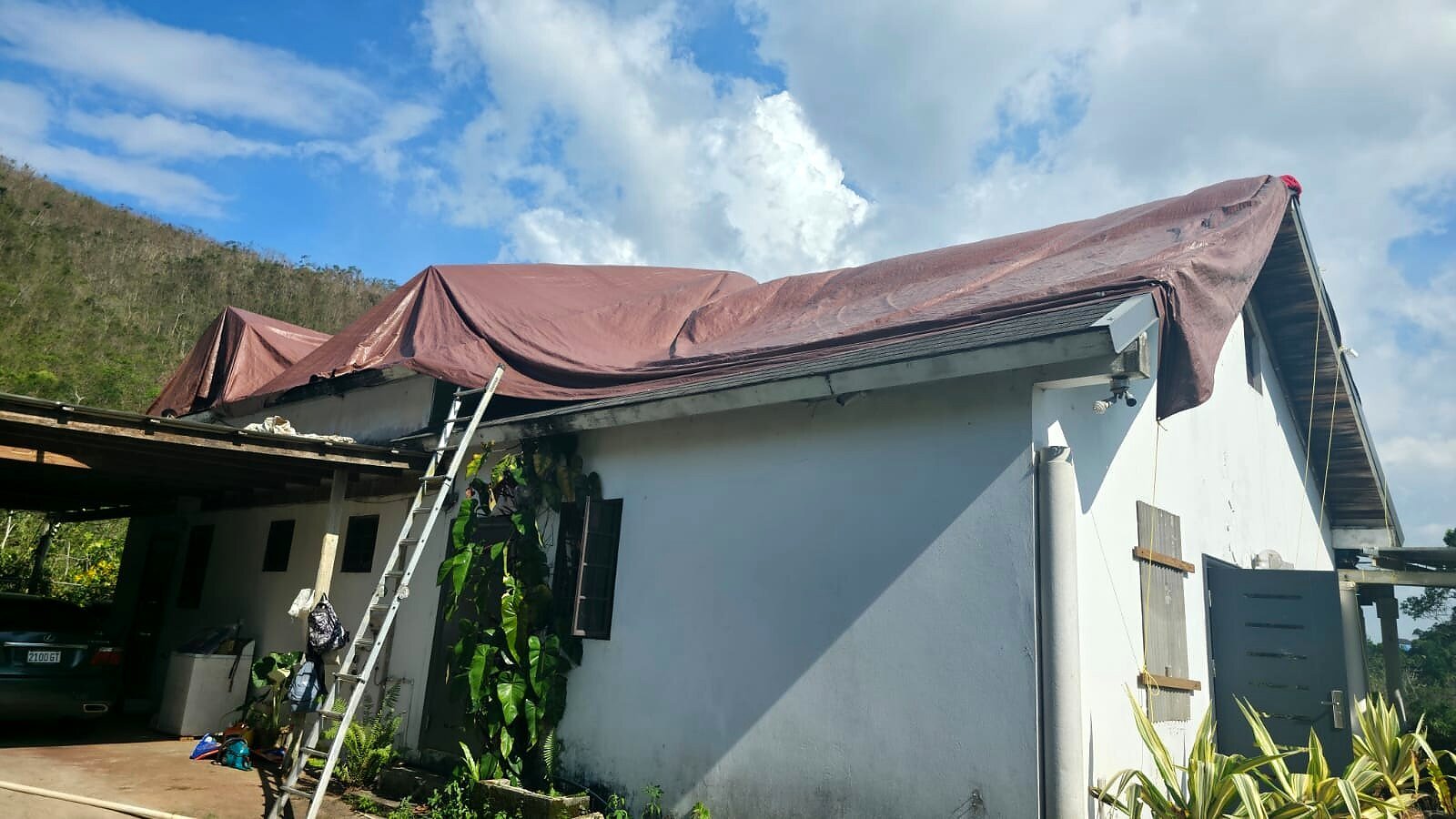
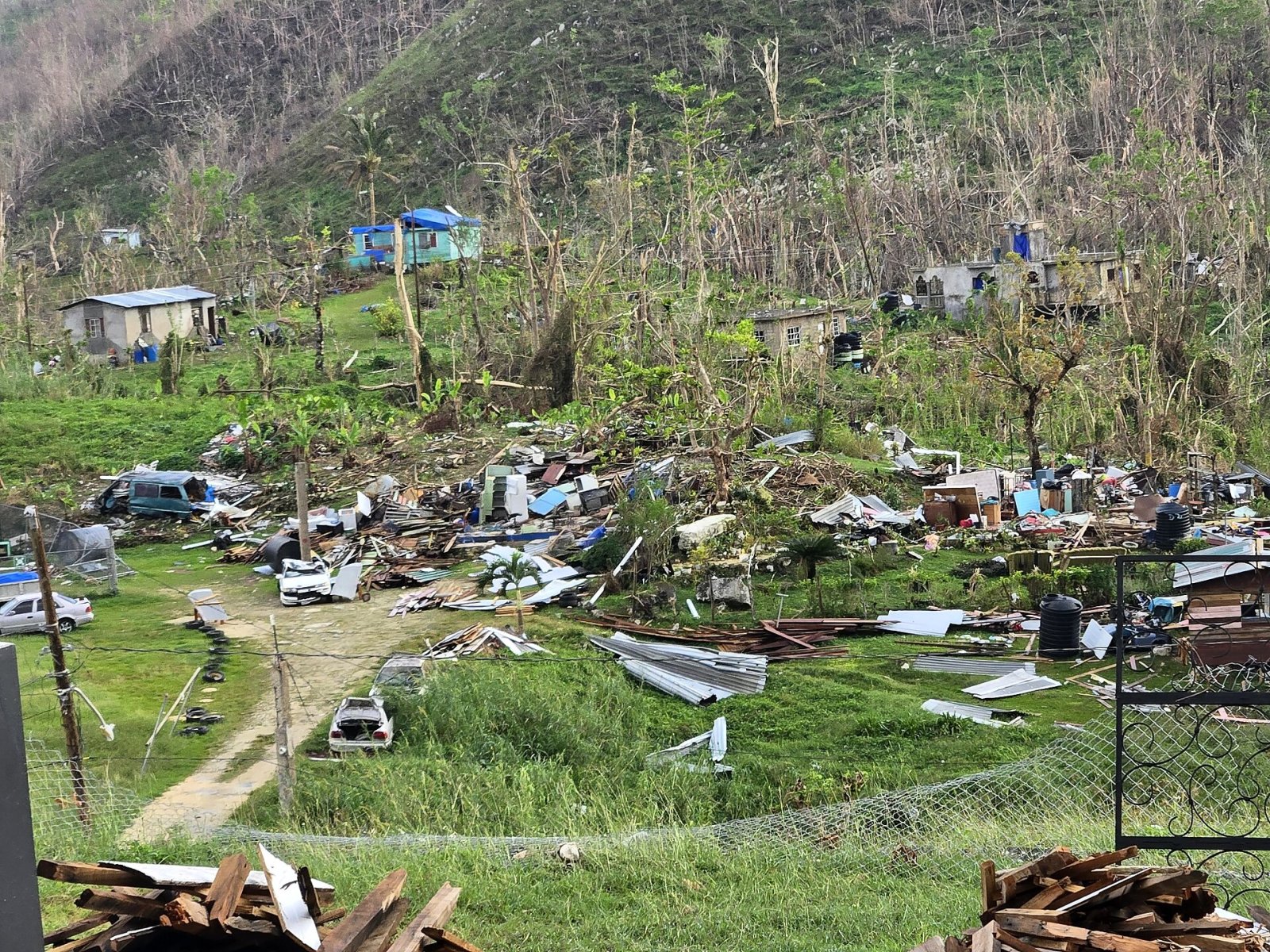
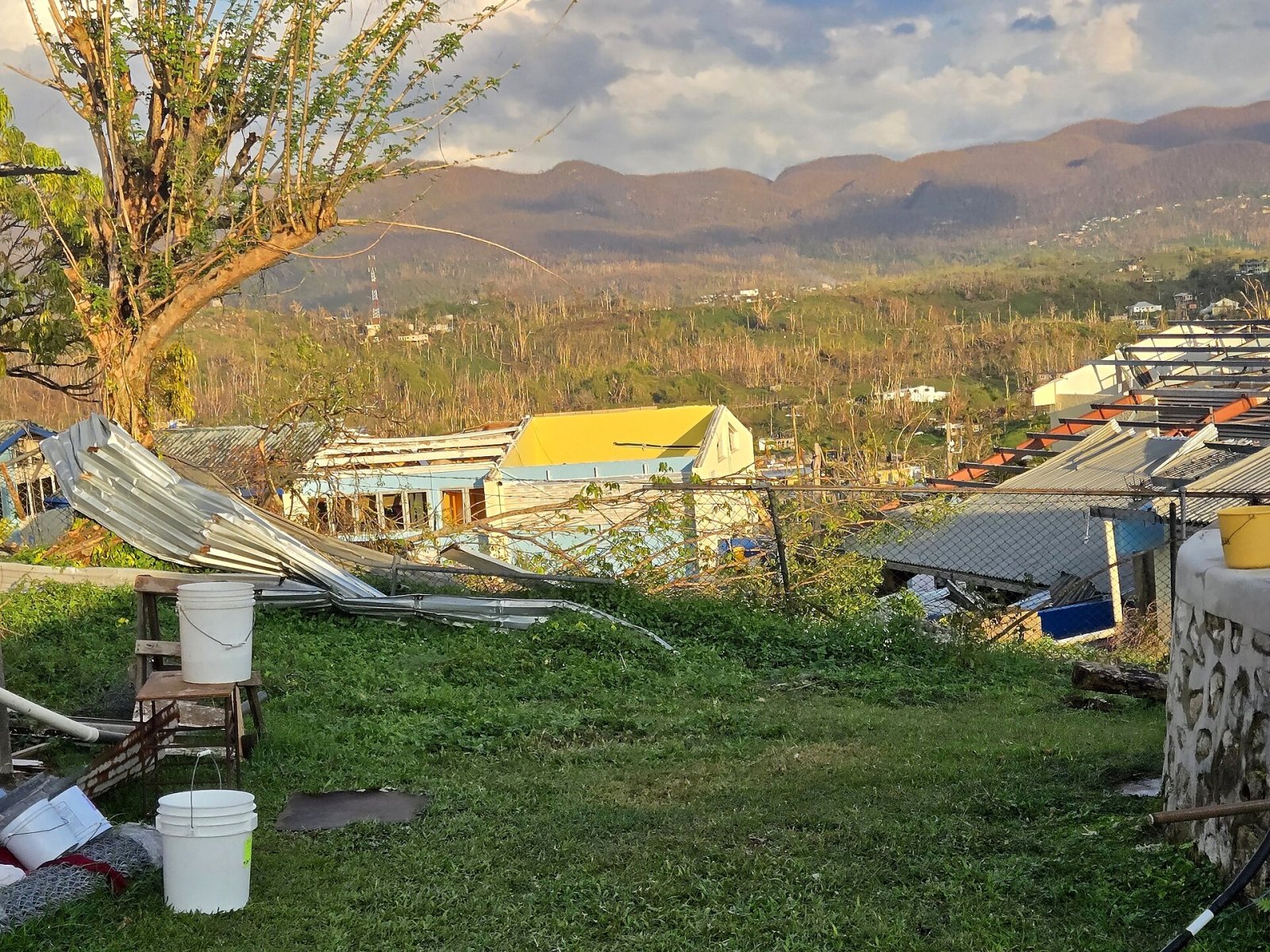
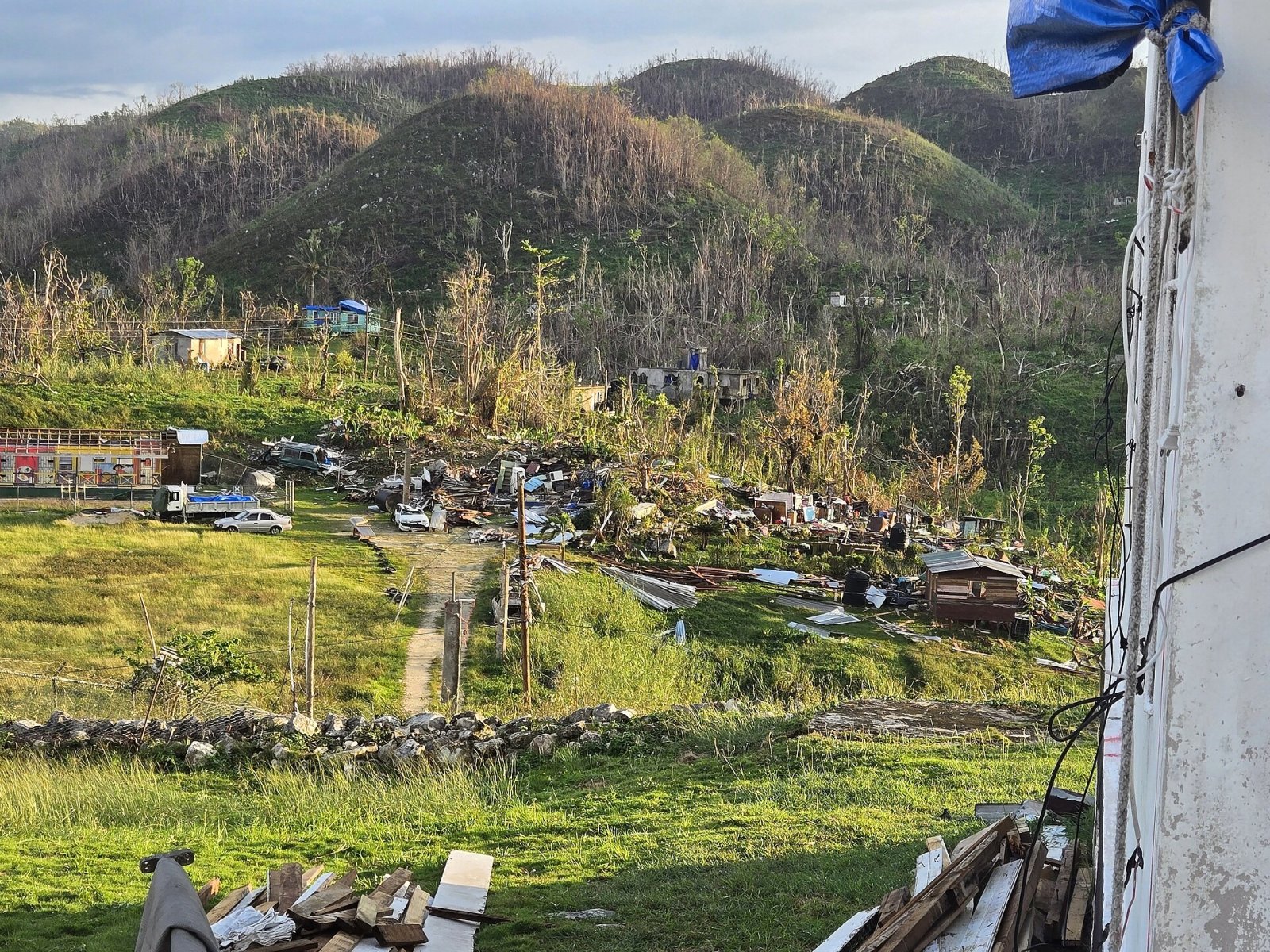
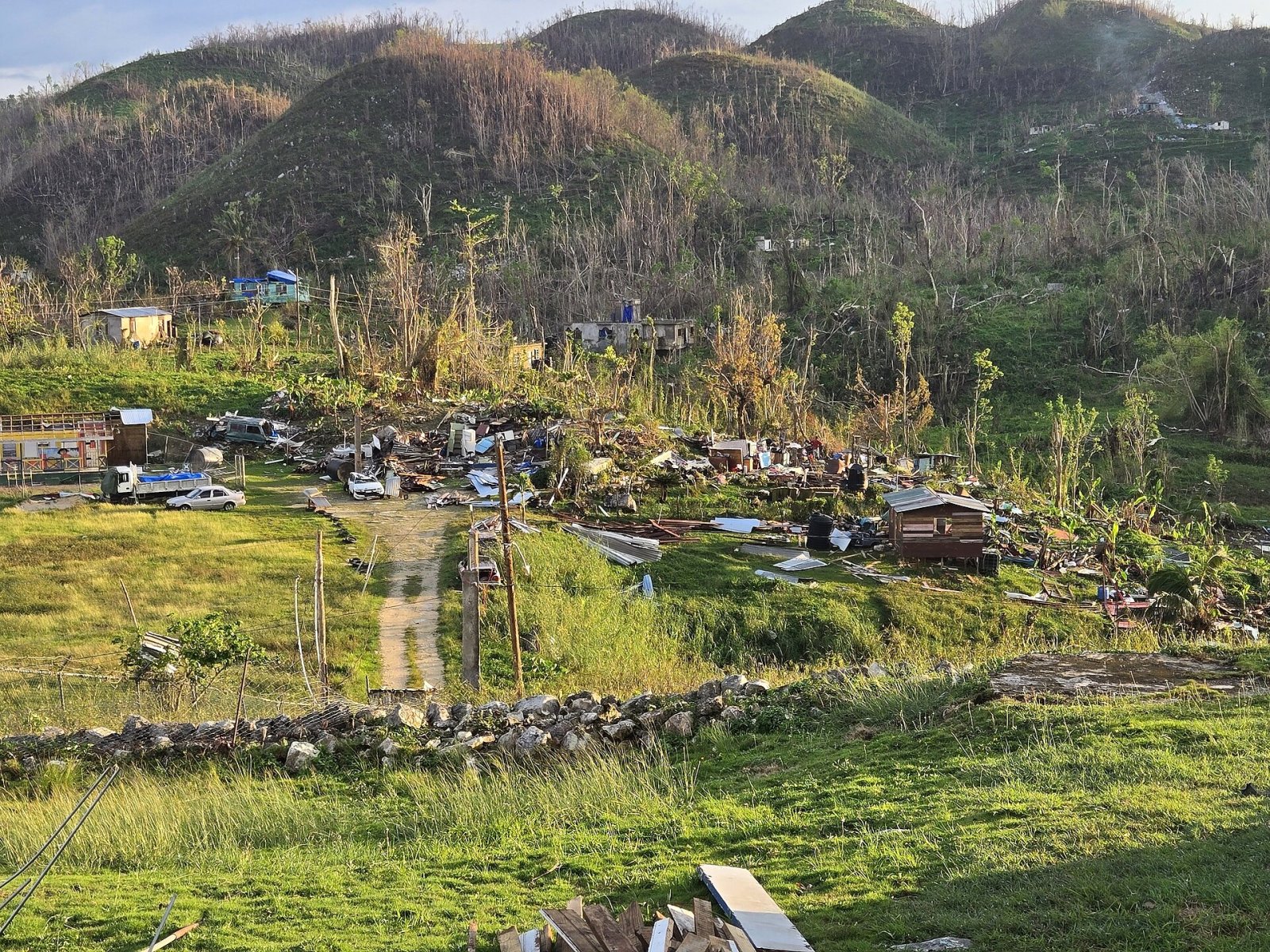
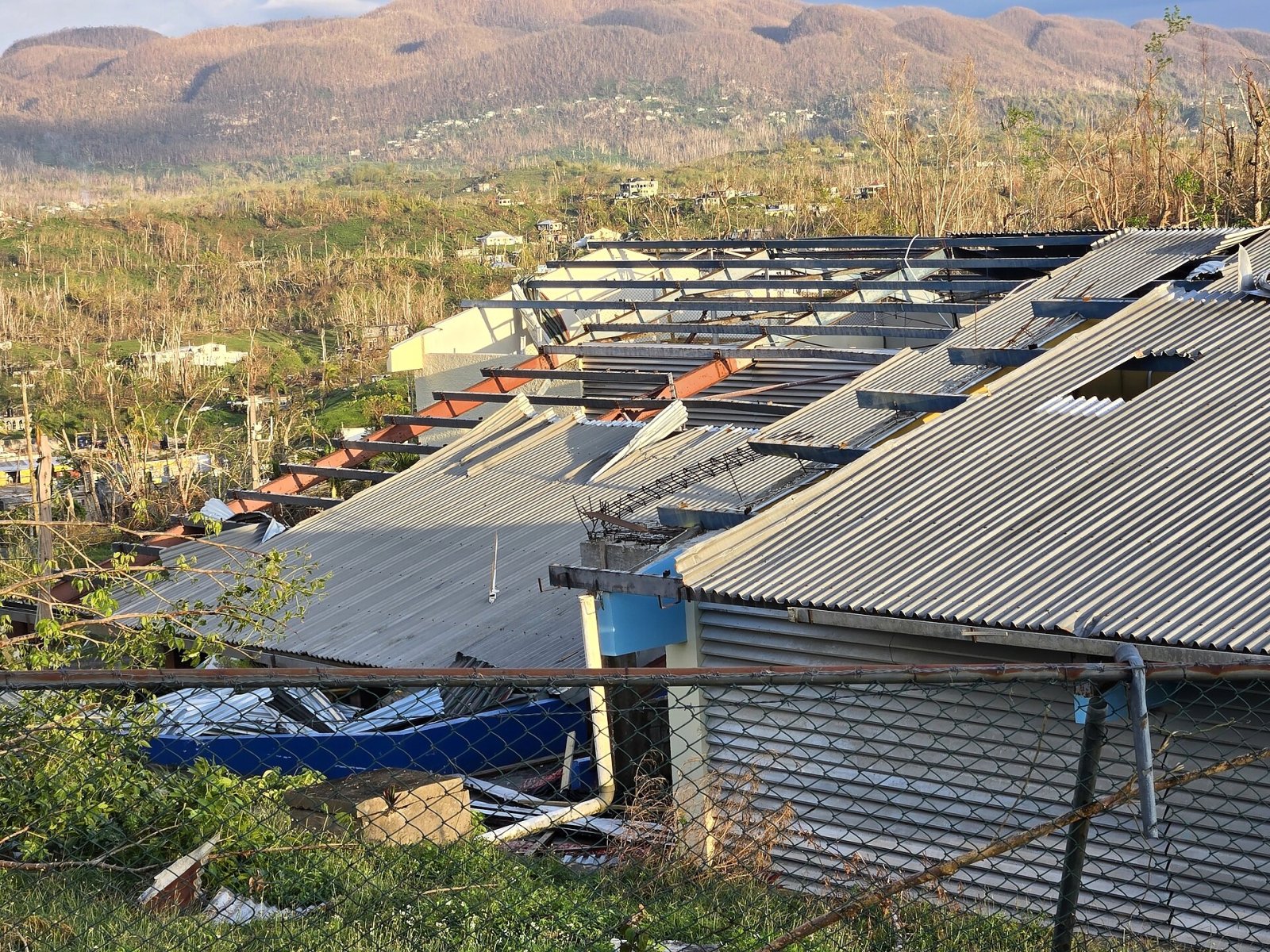
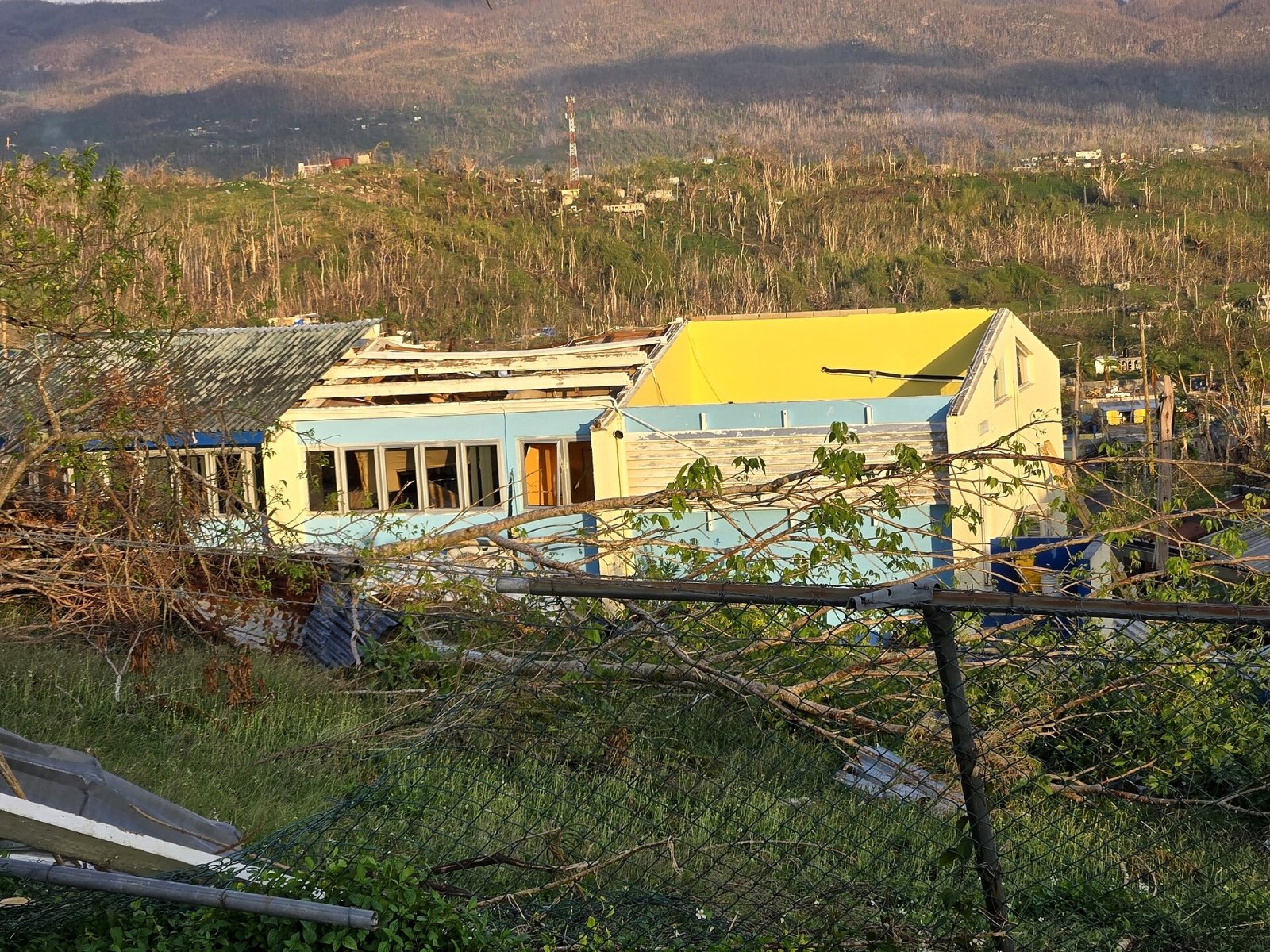
Hurricane Melissa compounded these barriers. Across the community, homes had lost roofs or been destroyed outright; power was out; and water that residents had collected for potable use had been contaminated and was no longer safe to drink. Church buildings and schools, the structures a community would ordinarily fall back on were among those destroyed. The conditions are documented in the Photo Gallery below.
Operational Base
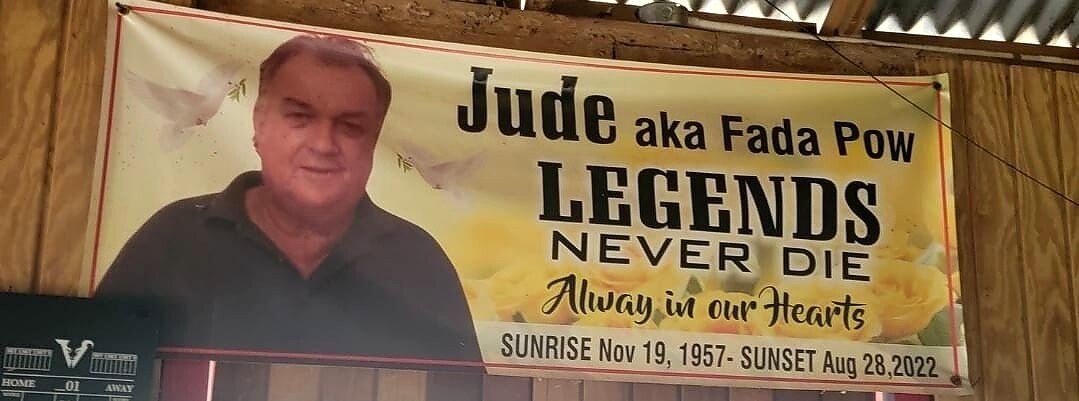
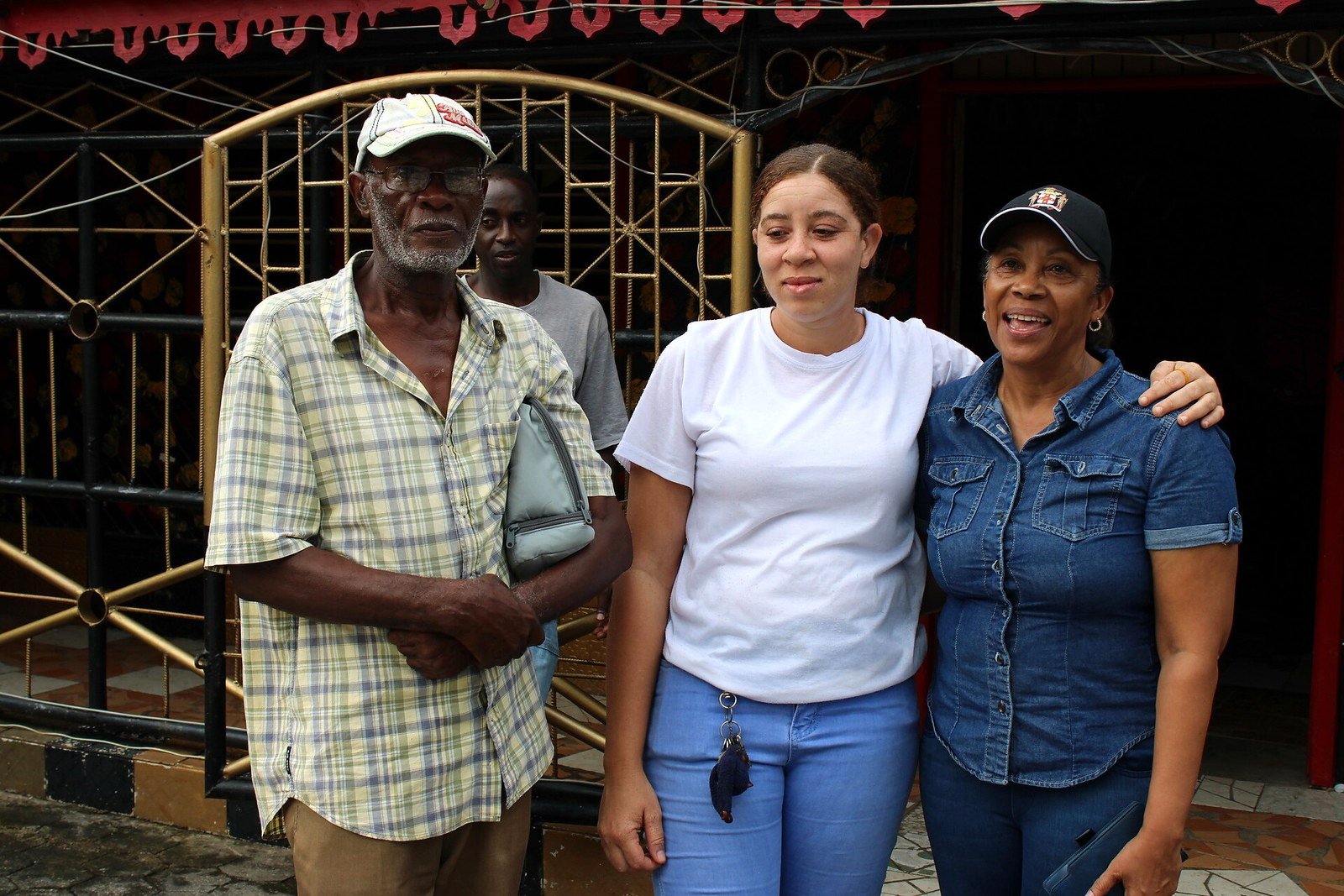
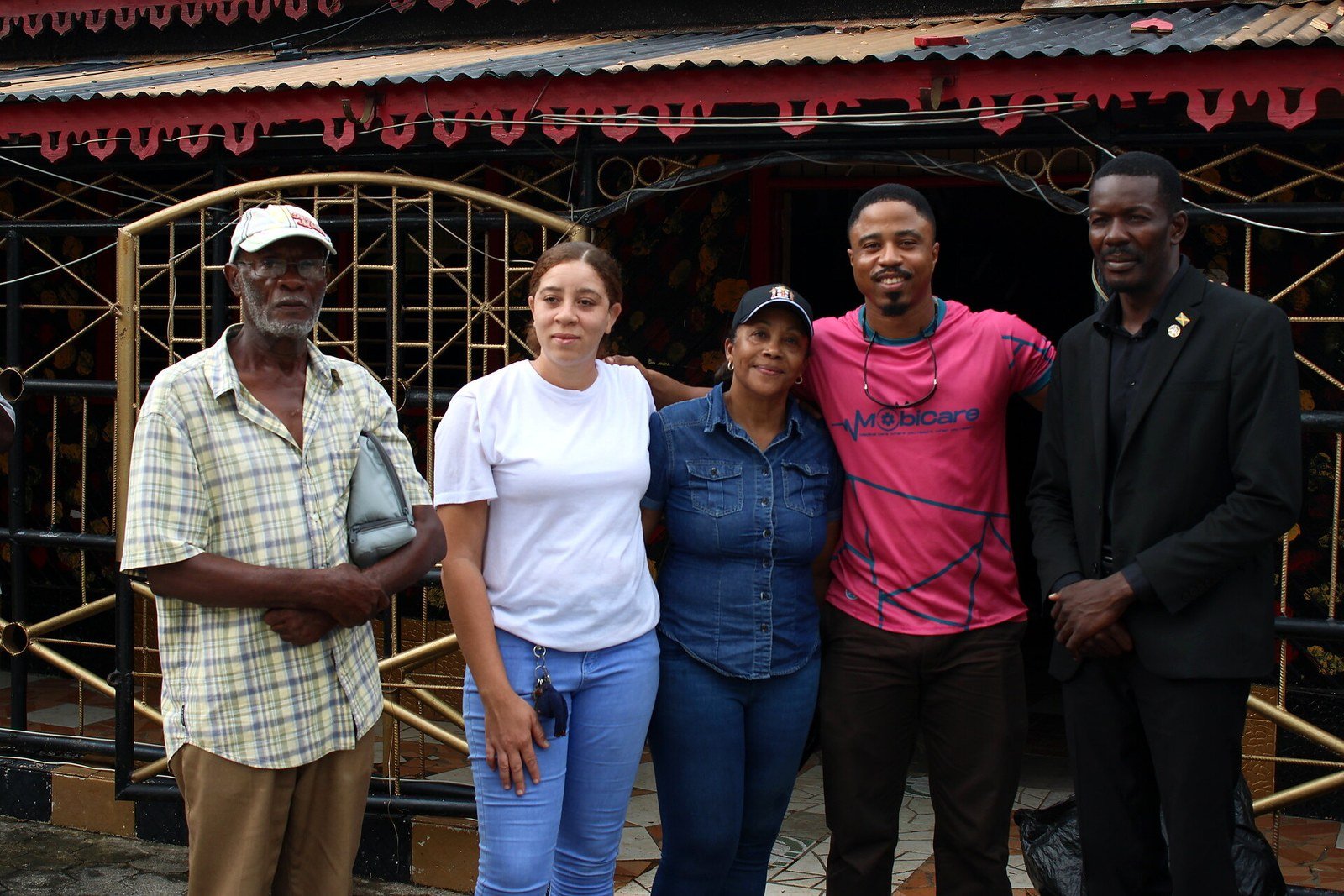
The introduction came through Councillor Amorkard Brown, JP, Councillor for the Leamington Division and a career educator, former Master Teacher and Head of Natural Sciences at Munro College, and a LASCO/Ministry of Education Teacher of the Year. On hearing of the Foundation's intent, he connected the team with Ms. Noella Bunnaman, a Seaford Town resident, who identified Jude "Fada Pow" Bar Lounge as a possible base.
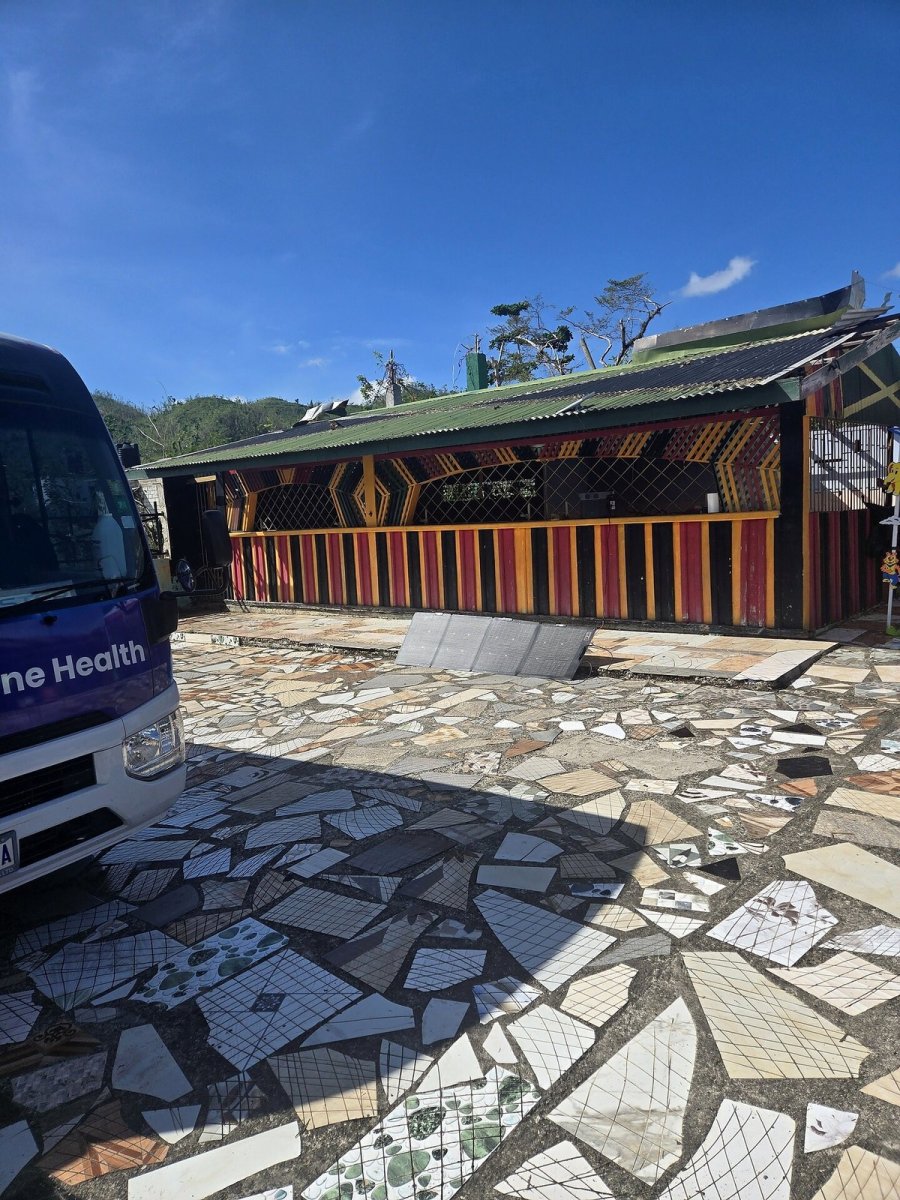
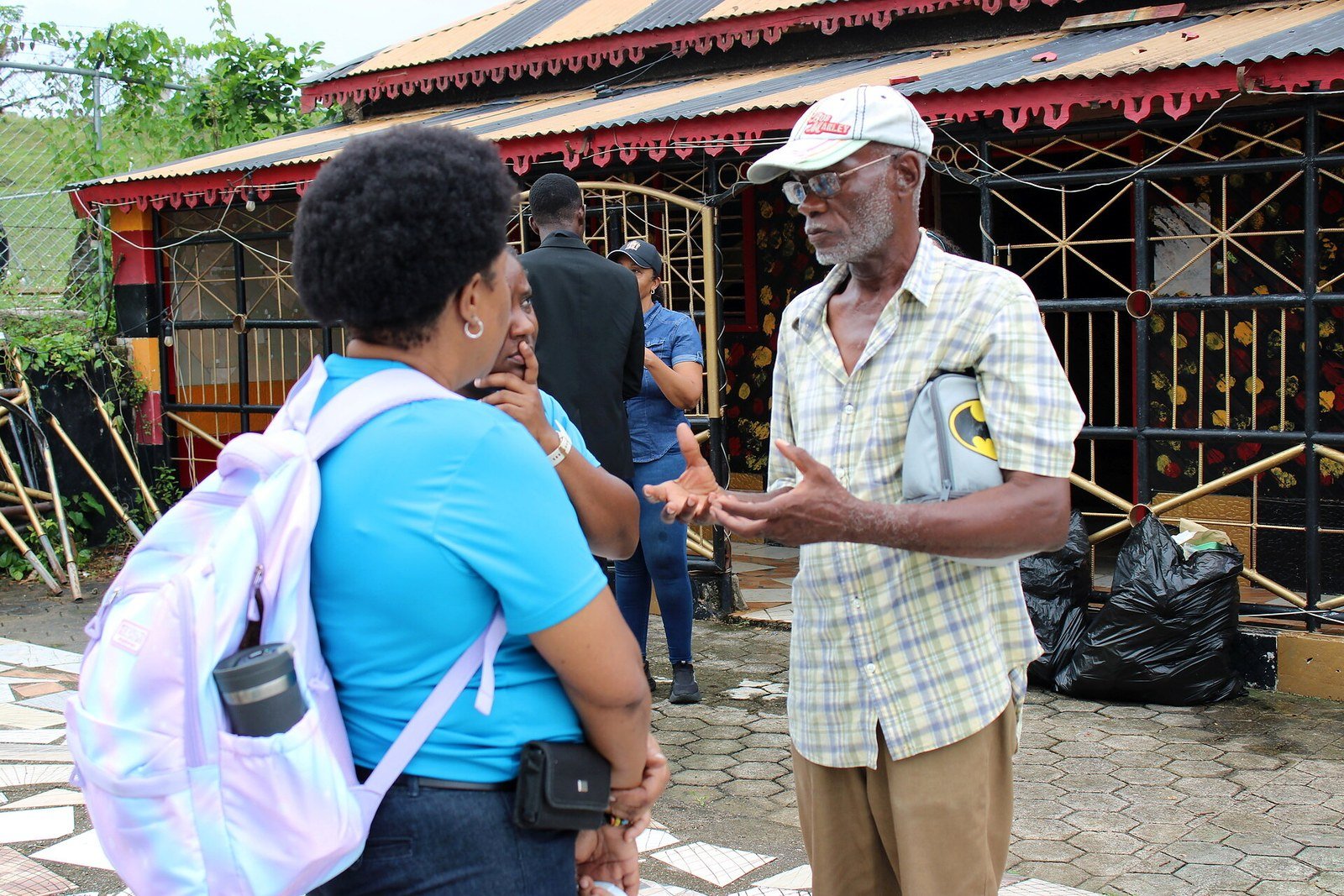
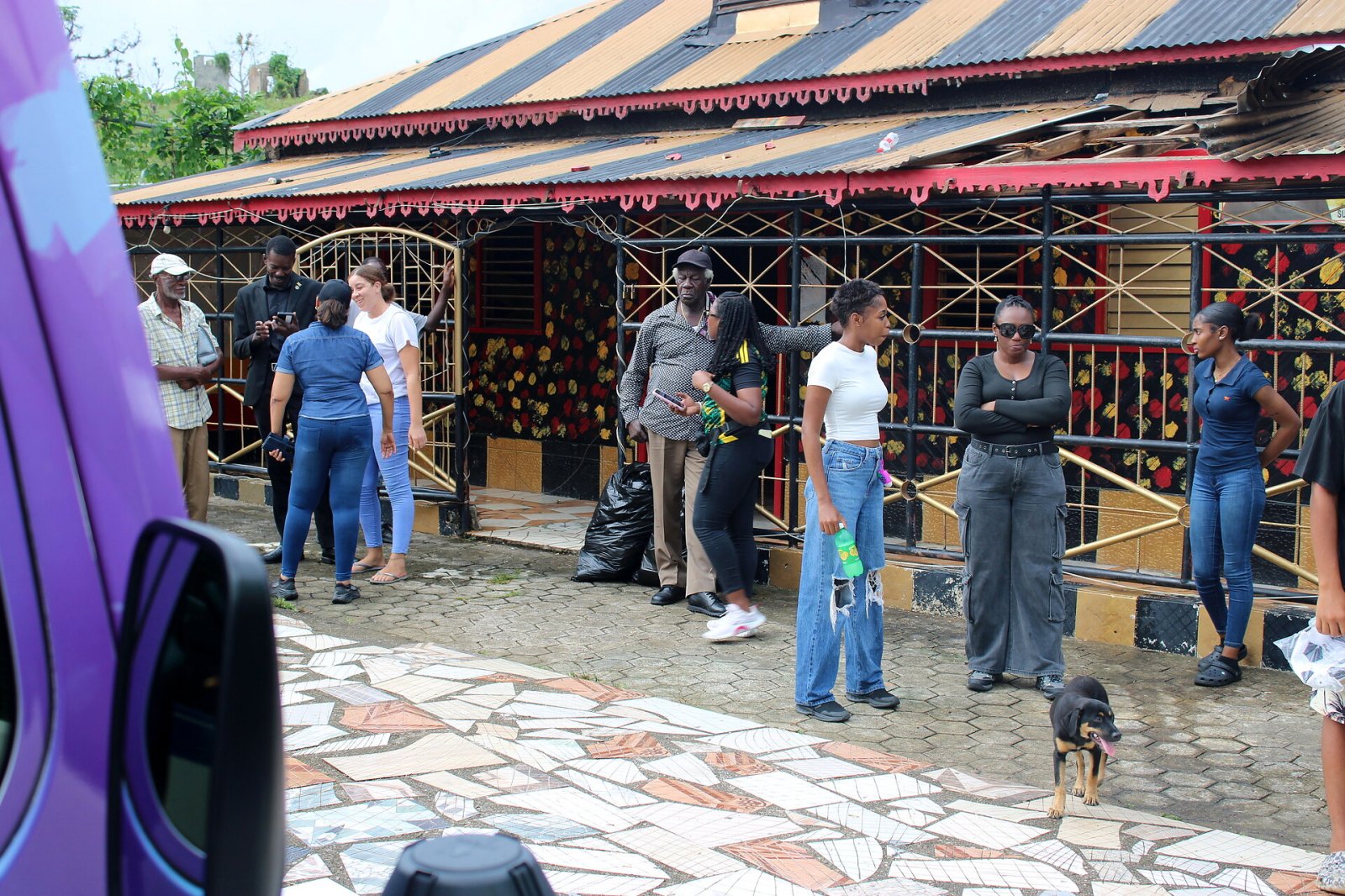
The site visit was not encouraging. The hurricane had laid waste to the surrounding area and the premises were full of debris, though the structure itself was largely intact. The team's assessment was that it would not work. Ms. Bunnaman, unbothered, told us not to worry. The day before deployment she sent a video showing where the premises had been cleared and transformed into a workable clinical environment.
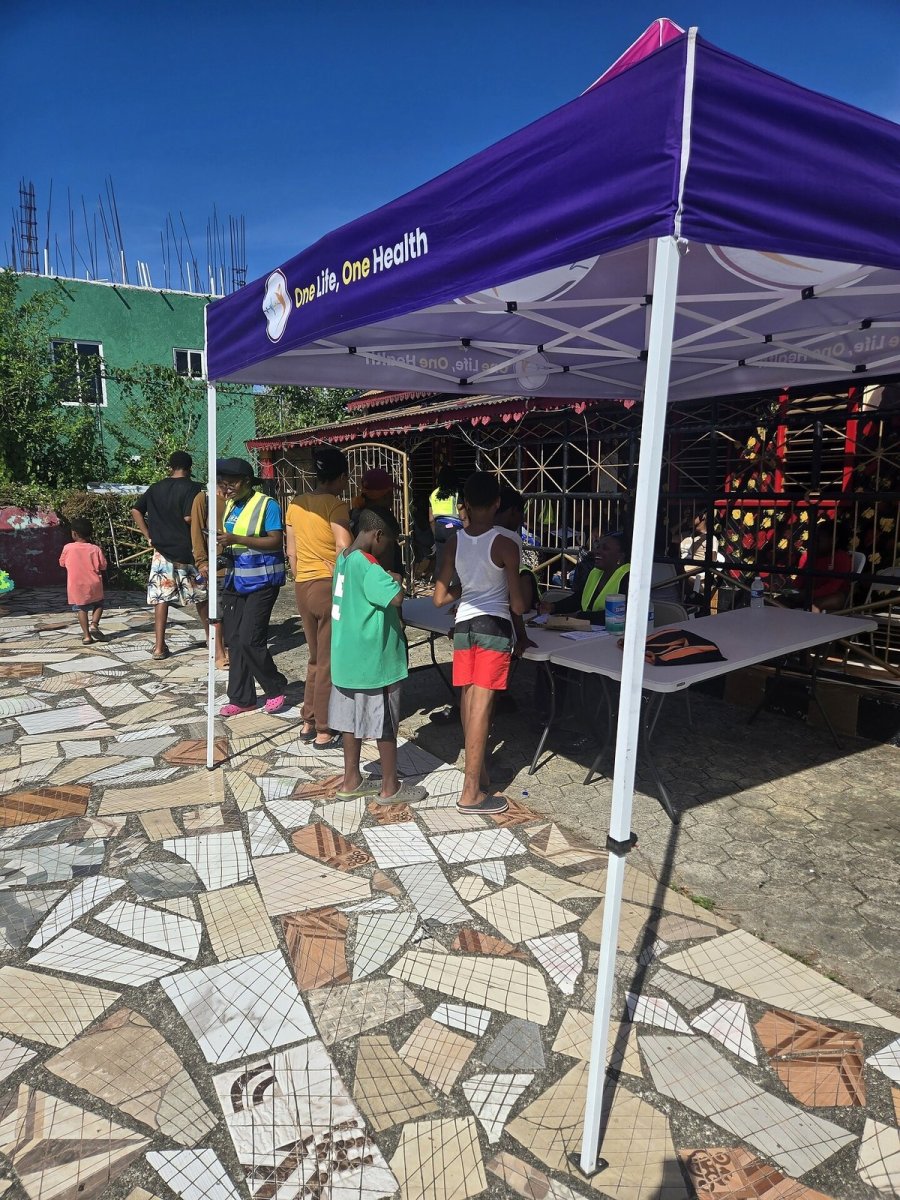
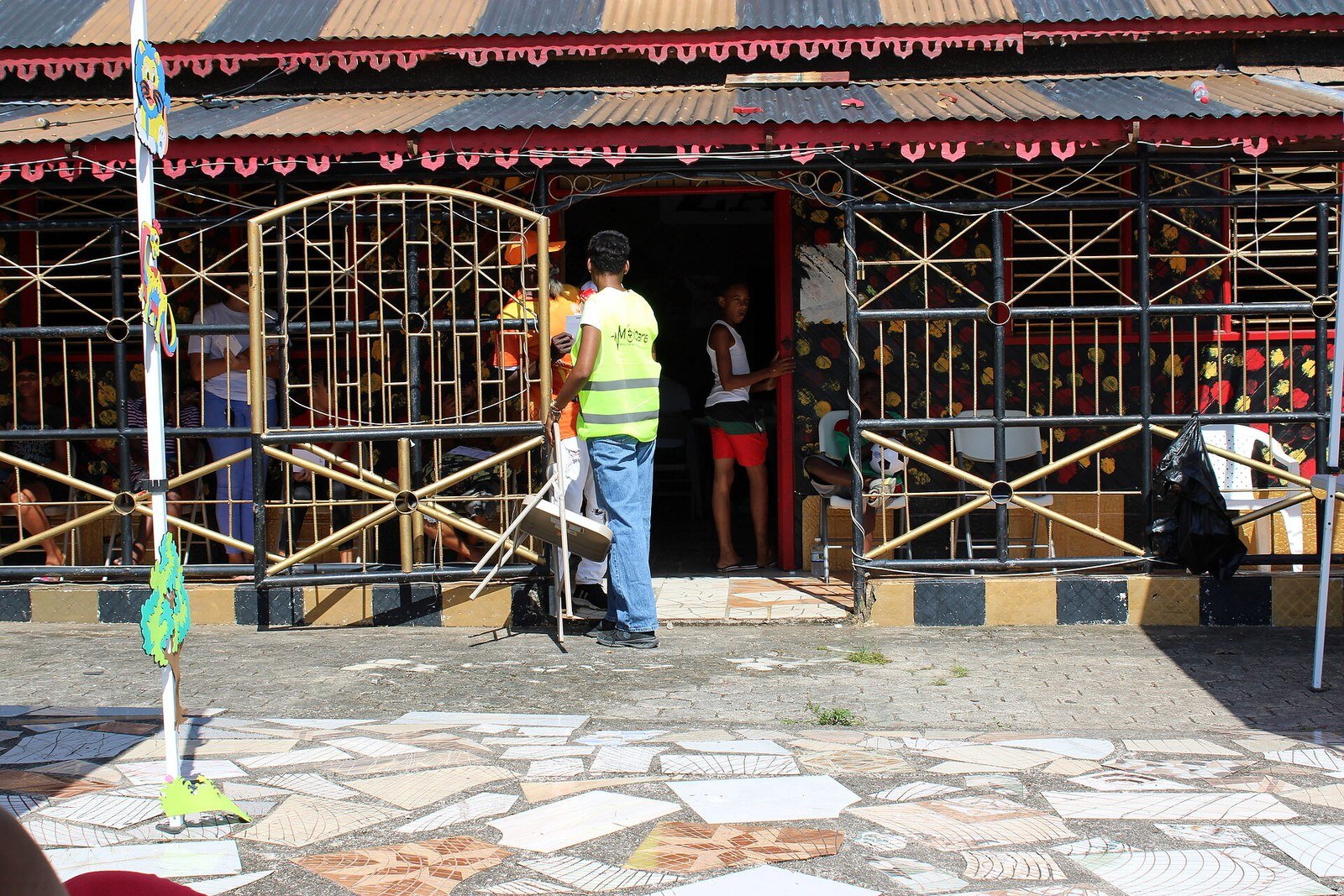
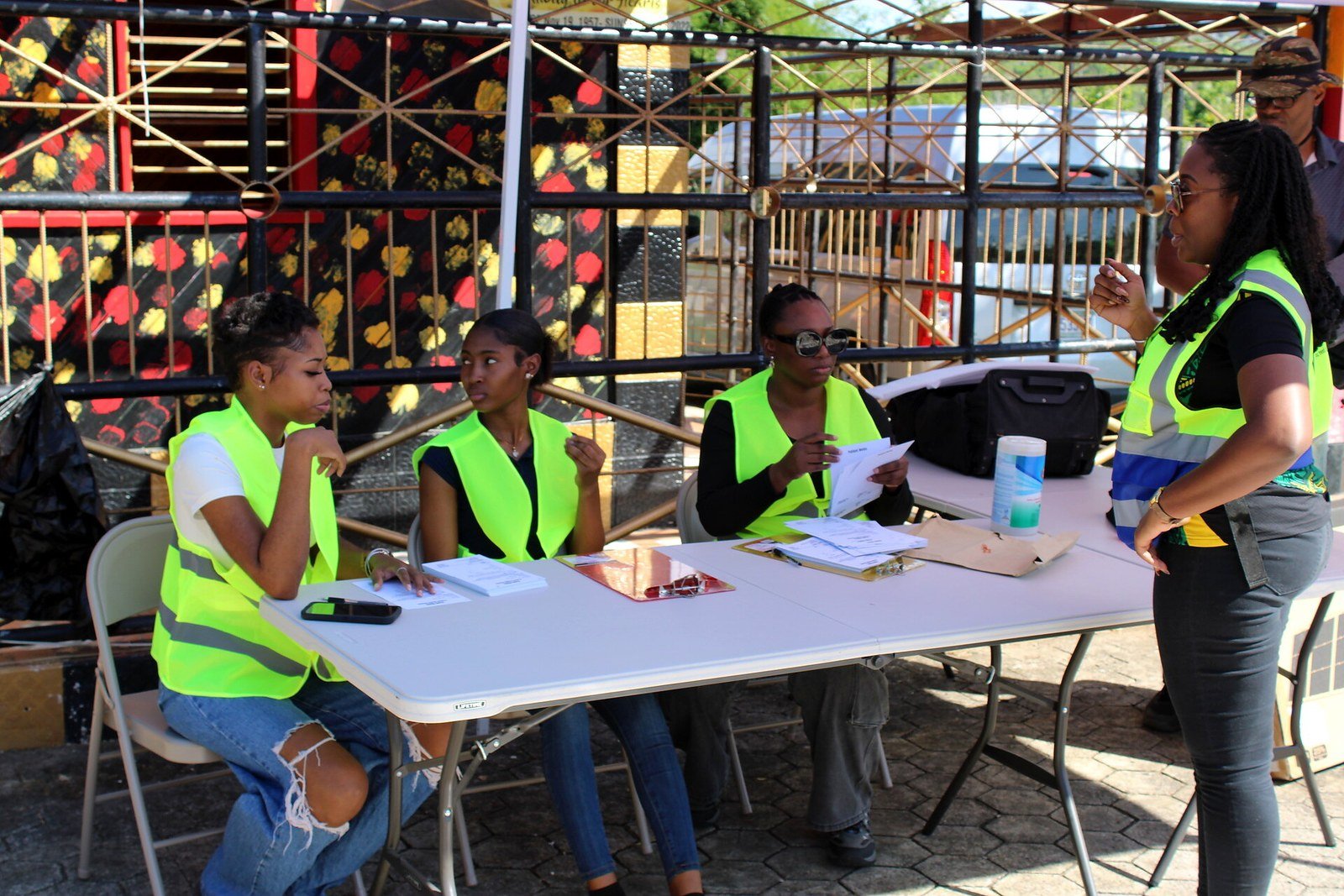
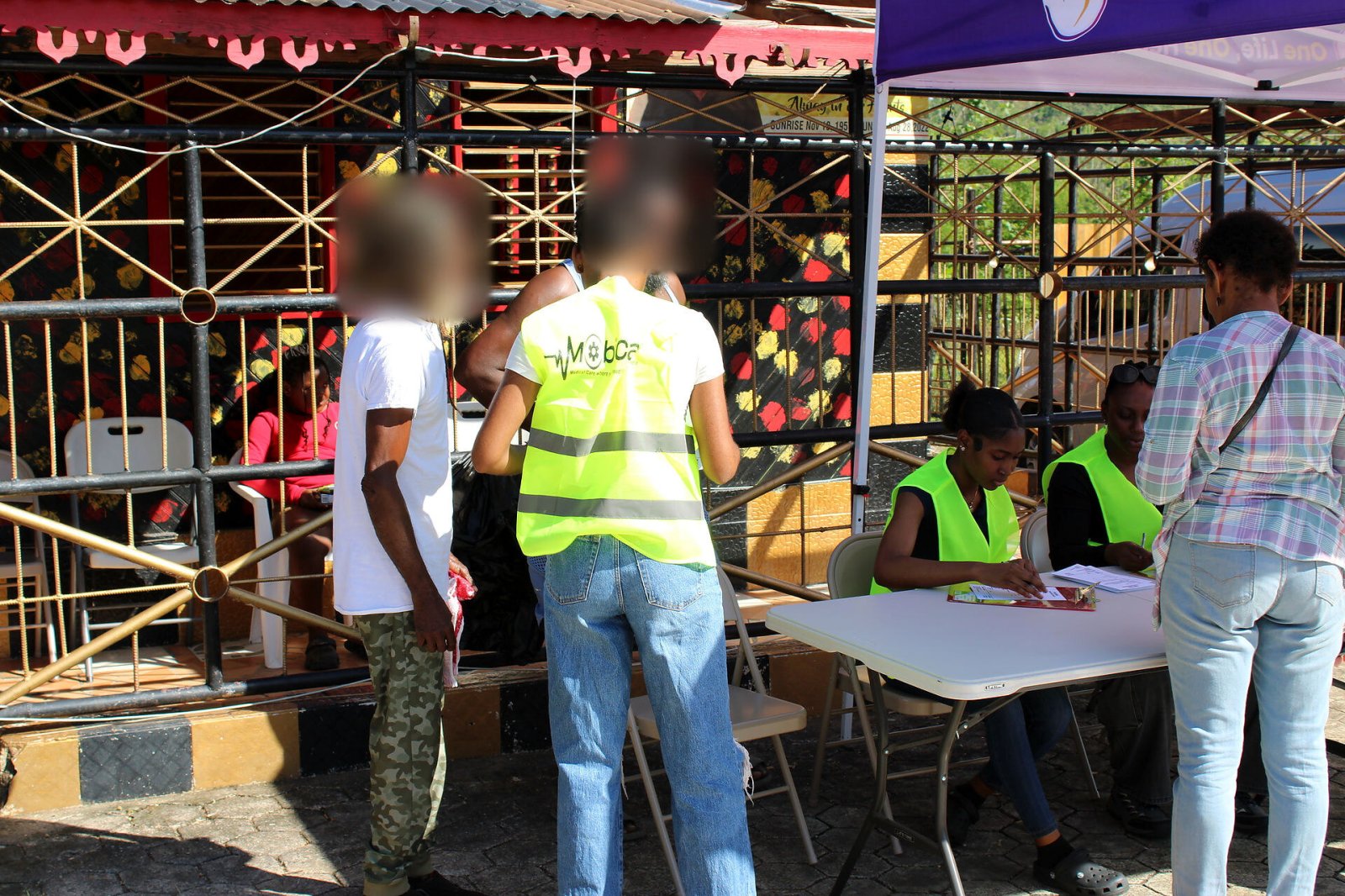
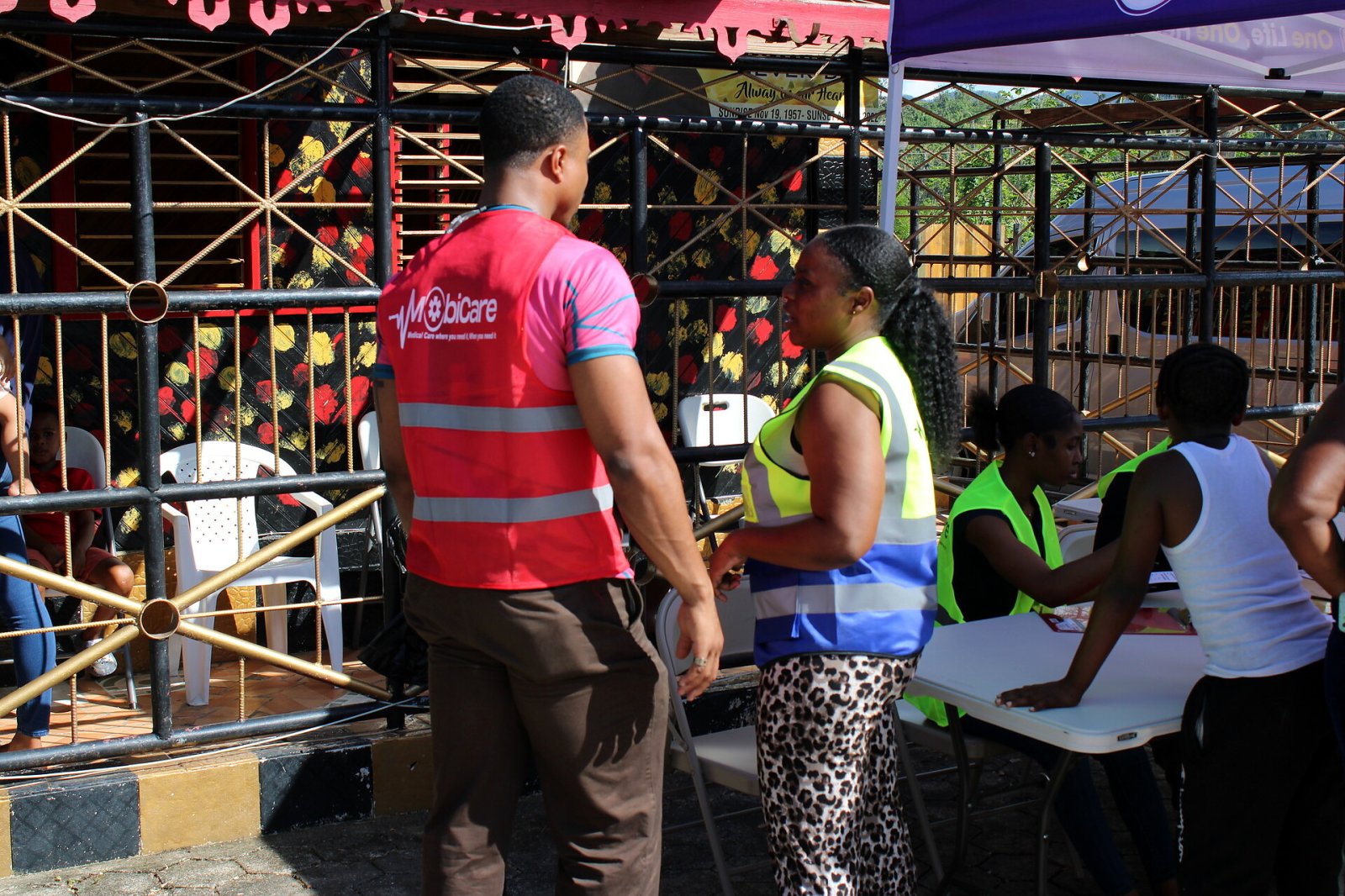
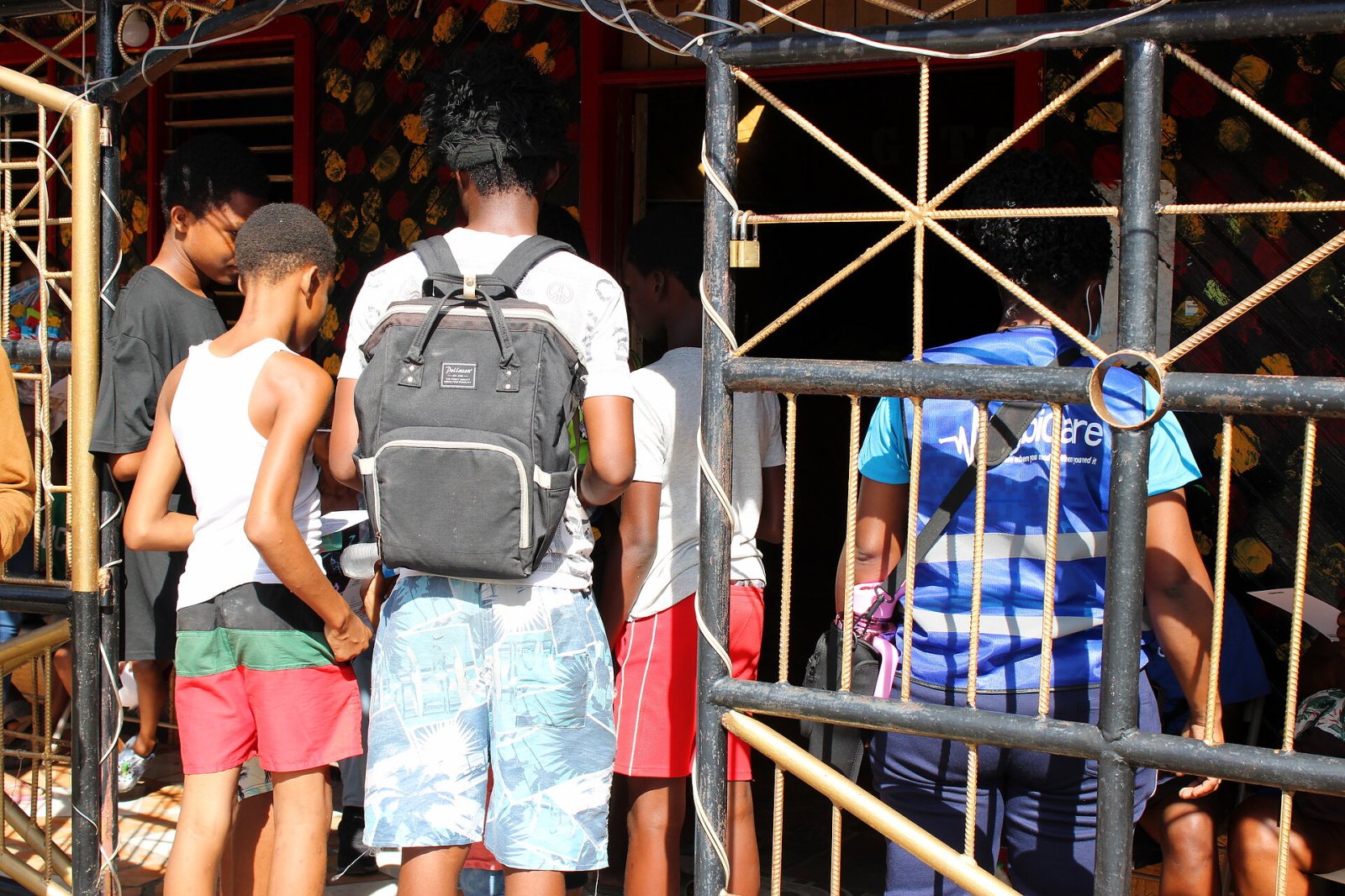
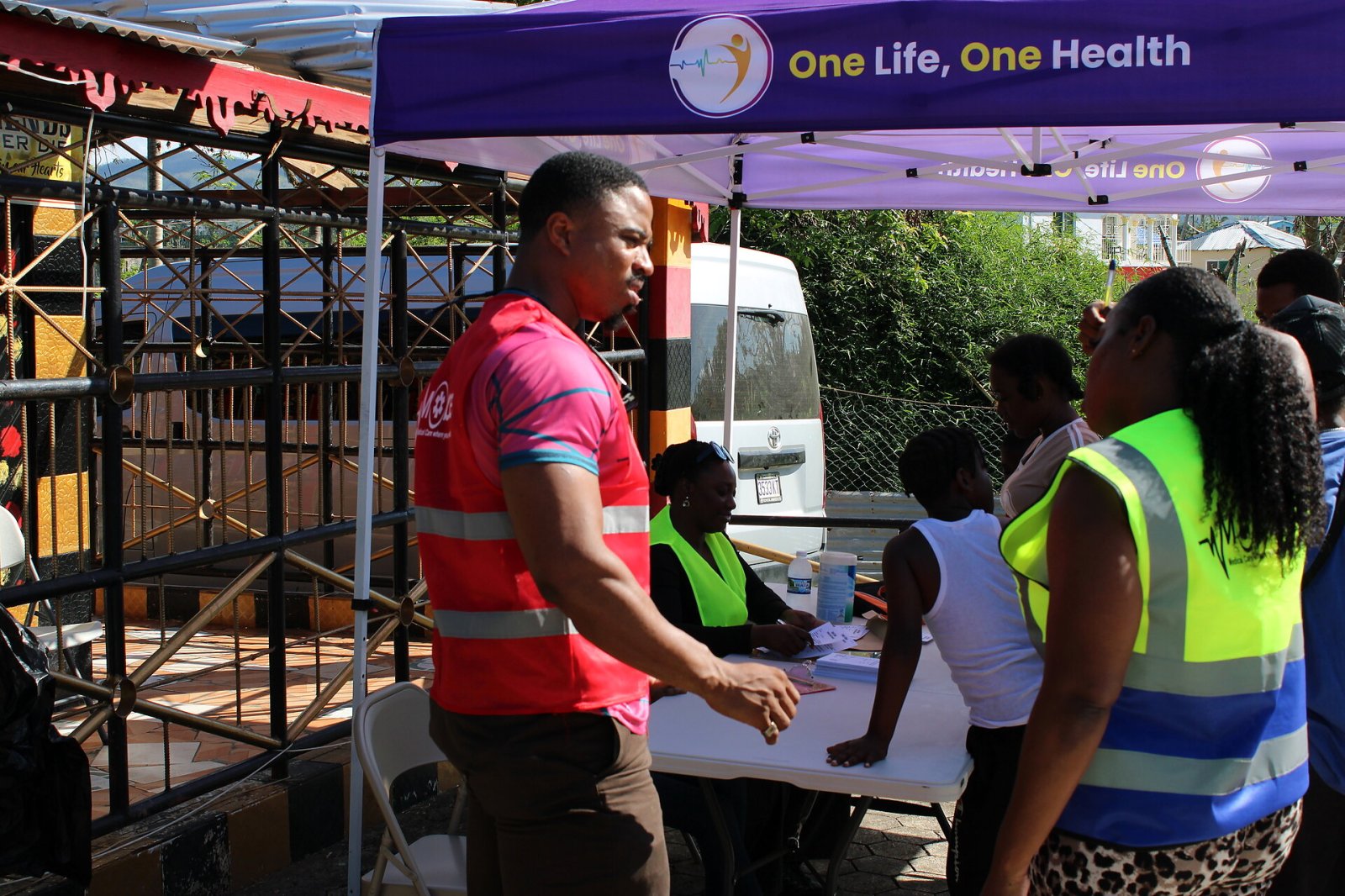
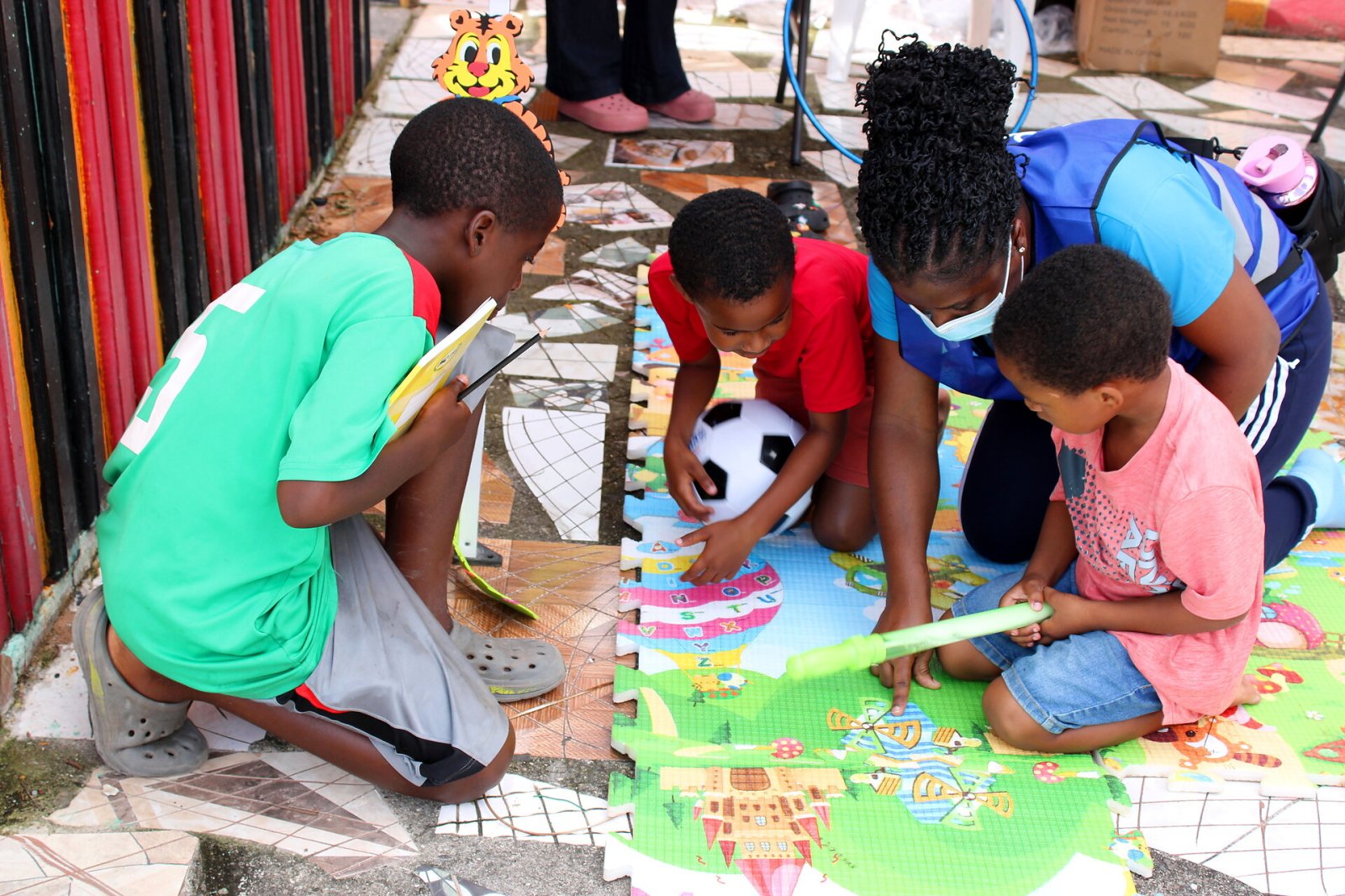
The layout served the clinic well. Registration took place on the patio at the entrance, so patients were received before entering the building. Inside, separate areas allowed for private consultation between the doctor and patient, with a female nurse present as chaperone where required. The children's activities area was set up on the patio, off to the right of the entrance, where it was visible to parents but did not obstruct patient flow. The indoor setting removed the need for tent infrastructure and kept registration, triage, consultation, and dispensing within a single footprint.
Clinic Operations
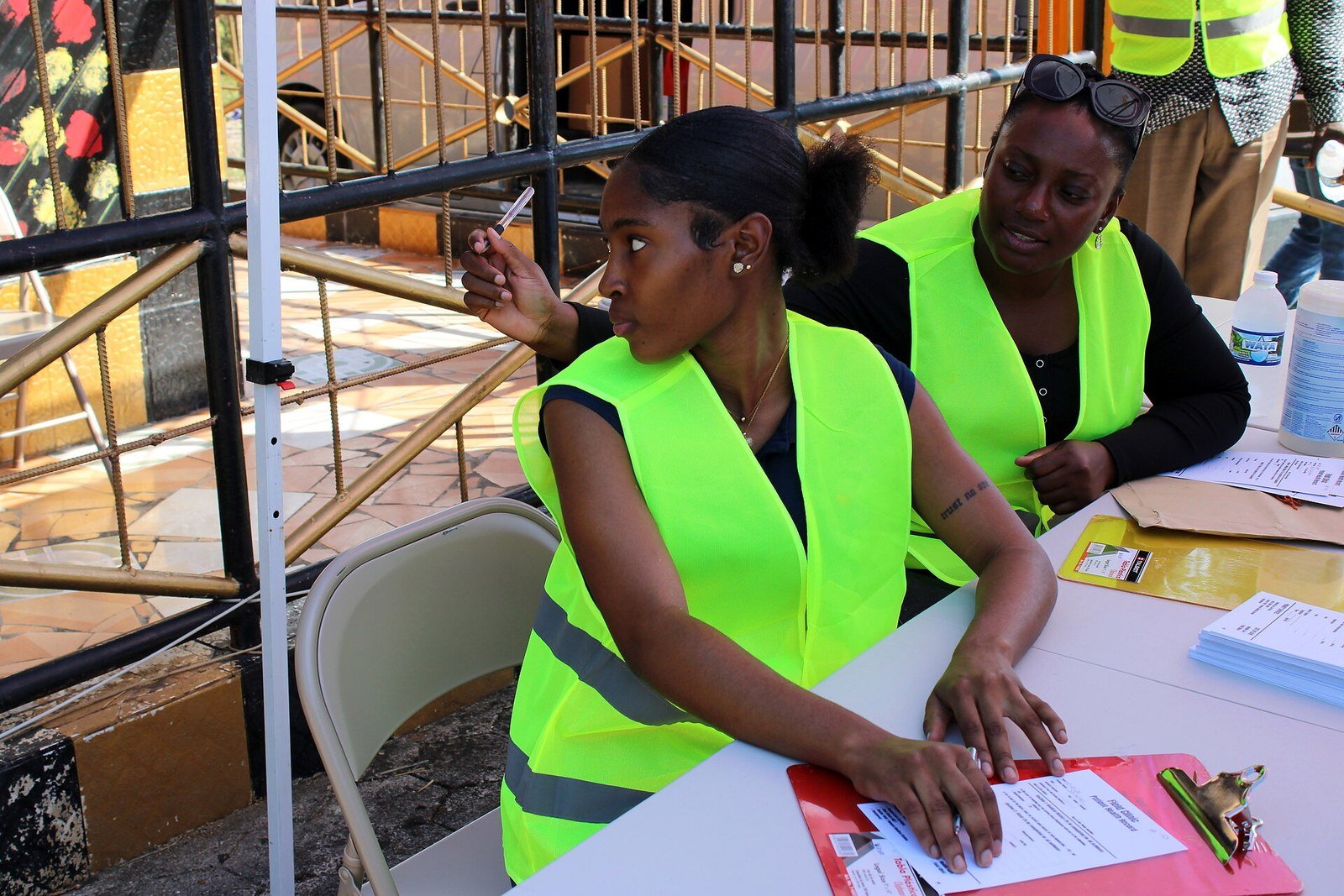
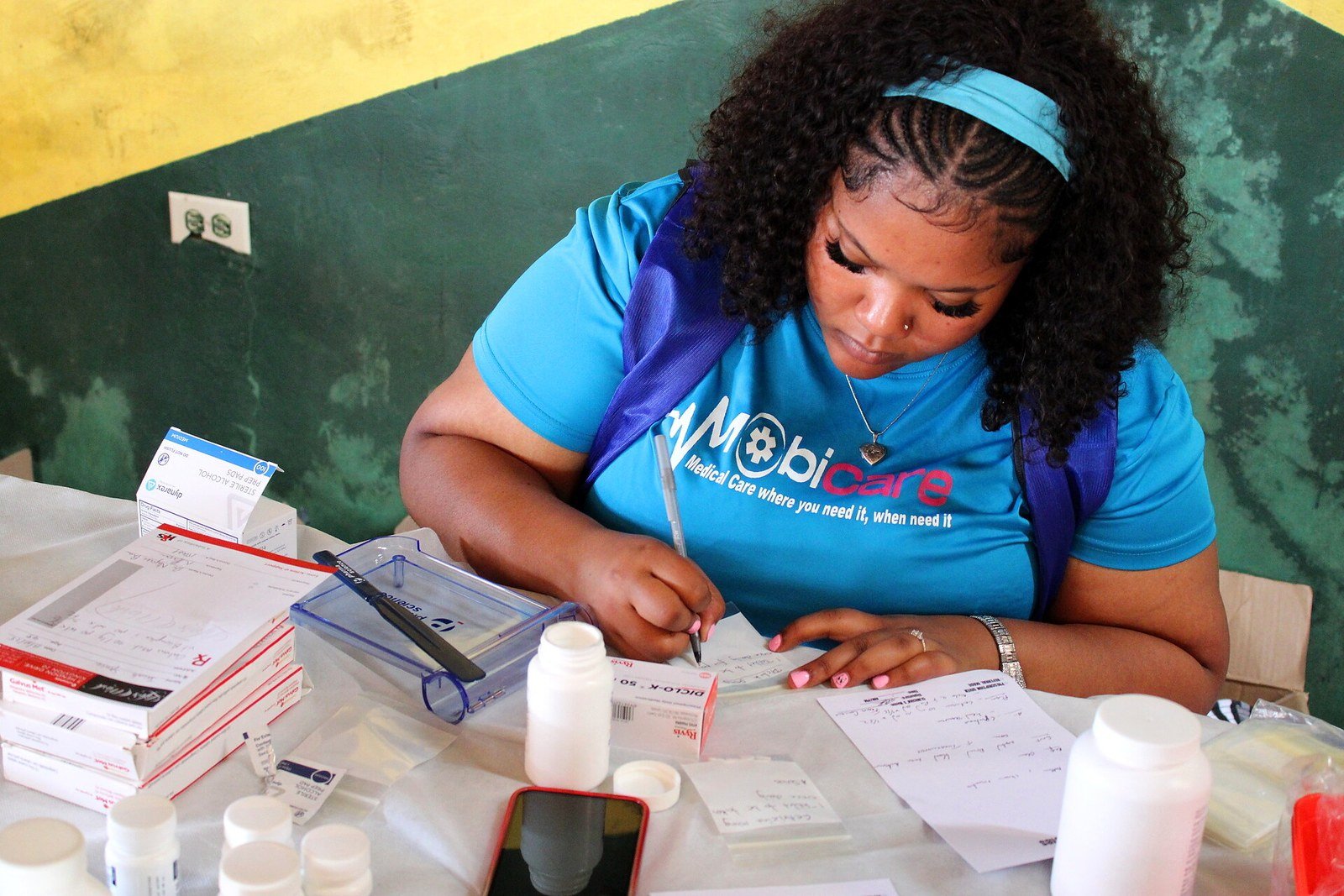
A team of 24 deployed for the day which included two doctors, nurses, a pharmacist, and support staff. Clinical services were delivered by MobiCare Medical Centre with Dr. Franz Collins as lead clinician. Volunteer practitioners worked within MobiCare's clinical structure. CASSM funded the deployment and did not direct clinical practice. Support volunteers managed registration, triage, and patient flow.
Clinical services, delivered by MobiCare Medical Centre:
- Patient registration and triage
- Vital signs assessment including blood pressure, temperature, oxygen saturation, pulse
- Blood sugar screening
- Medical consultation and clinical assessment
- Medical advice, referrals, and follow-up guidance
Deployment support services:
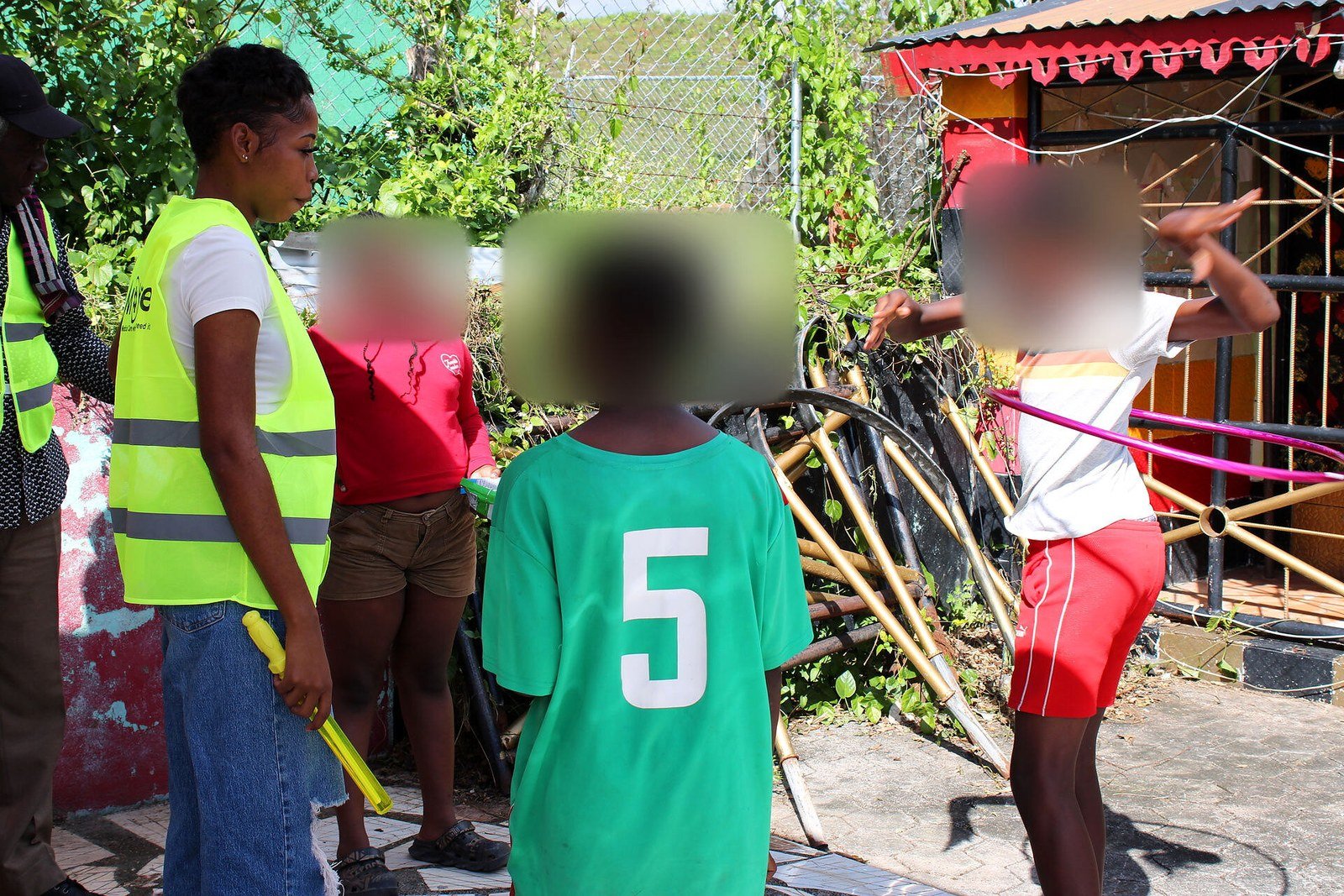
- Supervised children's activities area (Child Friendly Space) for children accompanying patients
- Satellite internet access, available to the team and to community residents on site
Patient Volume
Fifty patients were seen, recorded through onsite clinic intake and vitals. The outreach addressed chronic disease monitoring, acute complaints, paediatric assessments, and health screenings. Demographic and clinical detail was captured at intake and is held by MobiCare Medical Centre as the clinical provider; CASSM reports the aggregate figure only.
Supplies and Support
Fuel for the team's transportation was provided by FESCO. Hydration supplies were provided by Goshen Foods, and medication by Wisynco Group Limited. Meals for the team were provided by CASSM Foundation Global and Ms. Annalecia Barclay.
Security and Logistics
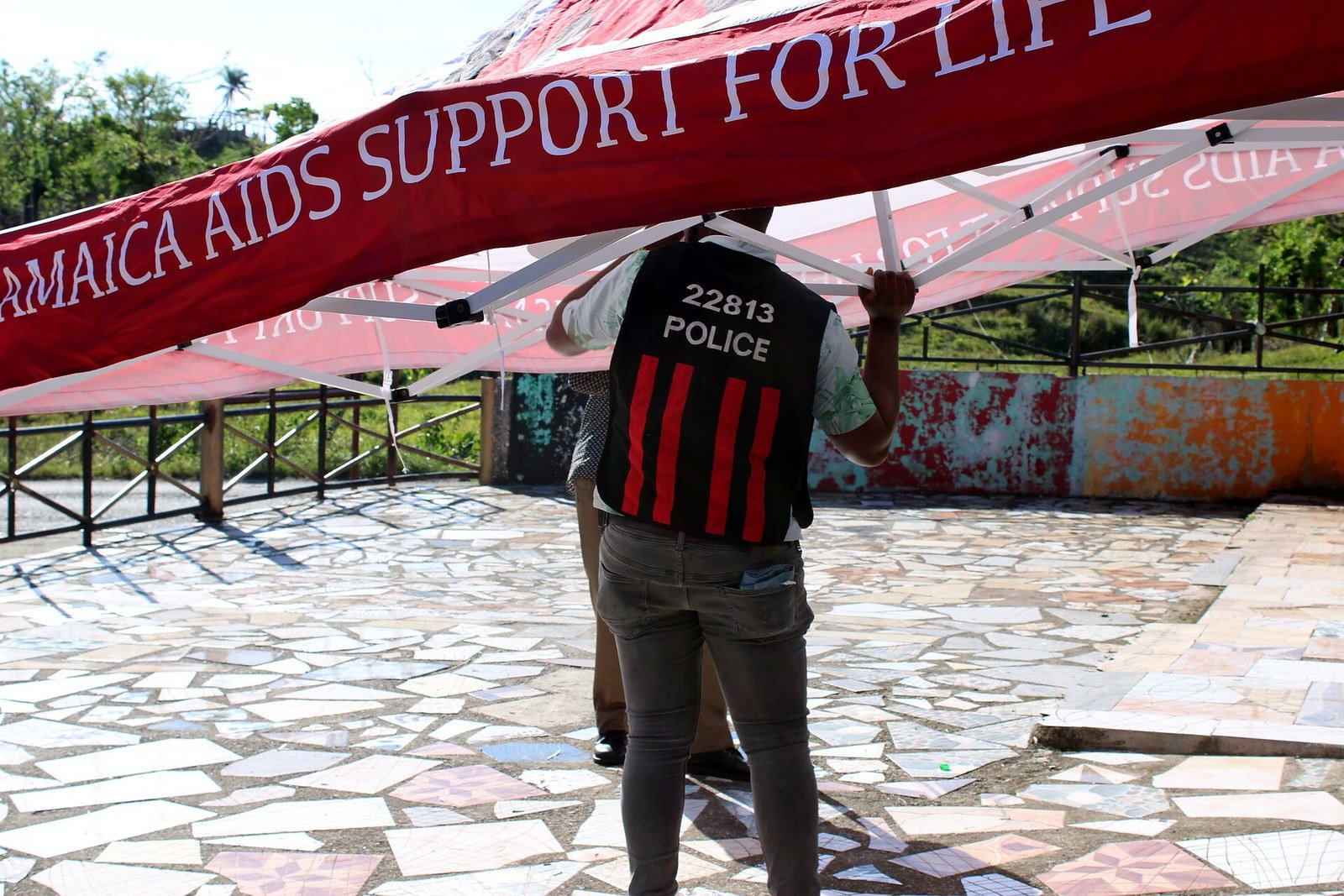
Constable Williams of the Hunts Bay Police Station, giving his own time, travelled with the team on the bus to Seaford Town, providing security for the journey and working as part of the logistics team on the day. He and his colleague, Constable Samuels, have also volunteered on deployment mornings at Parkington Plaza in Kingston, where the bus is loaded, helping with the early loading of medical disposables and supplies.
Observations
The pre-deployment visit had already identified a water problem. Stored water that residents were relying on for drinking had been contaminated and was unsafe. On that basis, Dr. Collins anticipated gastrointestinal presentations and, at the outreach, cautioned patients directly about the risks of drinking stored water, advising on safe handling and treatment before use. Detailed findings from the day were recorded through clinic intake and remain with the appropriate authorities.
Despite the logistical constraints typical of rural outreach, the clinic achieved strong turnout and demonstrated continued unmet need for accessible primary care in the area.
Field Highlights
A space for the children. At the Petersfield deployment, MobiCare volunteer Ms. Shanique Dunchie noticed that children accompanying their parents had nothing to do and were visibly subdued. She raised it with CASSM, and it was agreed to build a children's activities area into the Seaford Town deployment. On the day, she ran a supervised corner with toys and simple games so the children had somewhere to be while adults waited for assessment. Humanitarian agencies call this a Child Friendly Space (CFS), a recognized psychosocial intervention for children in emergencies; here it was arrived at from field observation alone. It is now part of CASSM's deployment model, with a named adult supervising the space at all times.
Connectivity on the road and on site. Hurricane Melissa had taken out power and communications across the area. The team travelled with a portable Starlink terminal, running in the bus on the way down and on site through the day, which kept the team connected for coordination and reference. It was also opened to community residents, for many of whom it was the first working connection since the storm.
View the Seaford Town story highlight on MobiCare Medical Centre's Instagram
Watch: Seaford Town CFS in action, 13 December 2025 (0:19)
Photo Gallery
Site Visit — November 17th, 2025
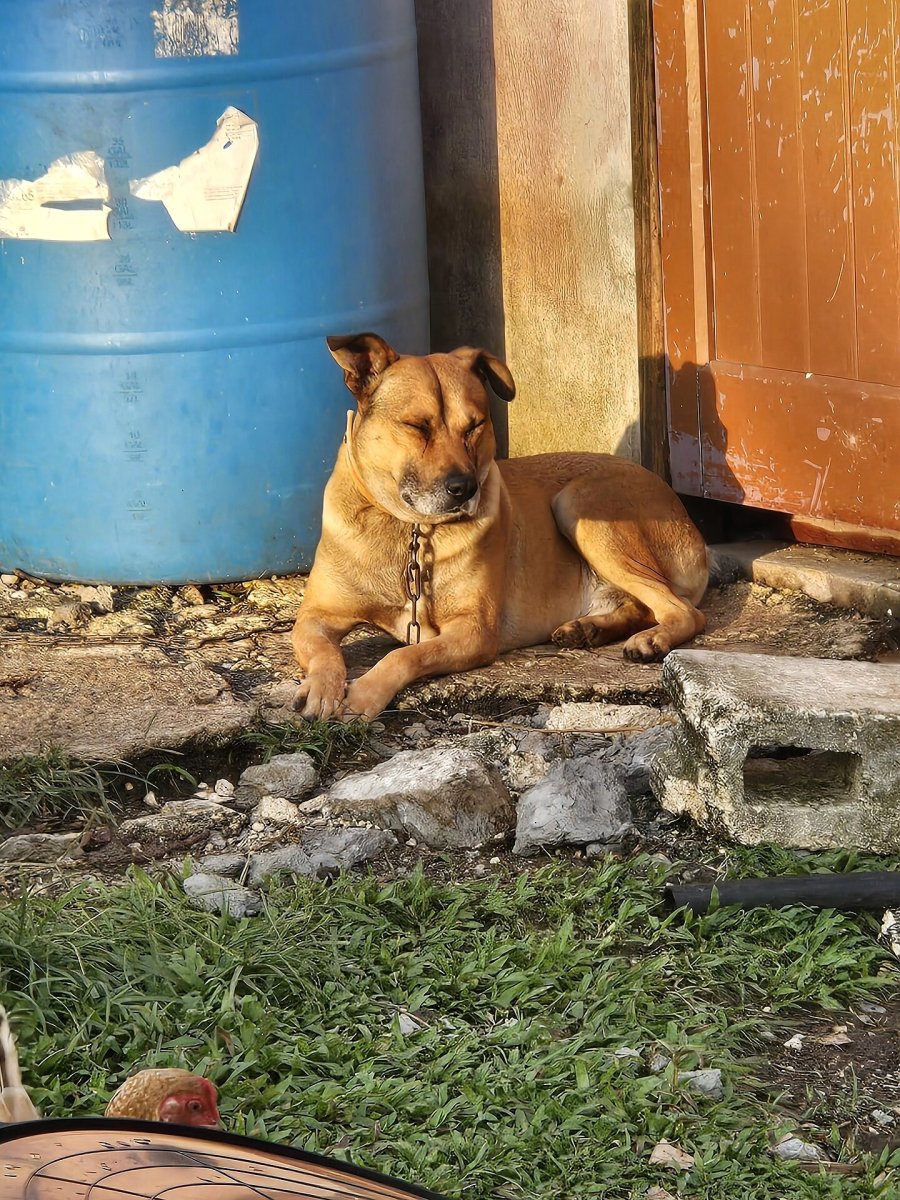
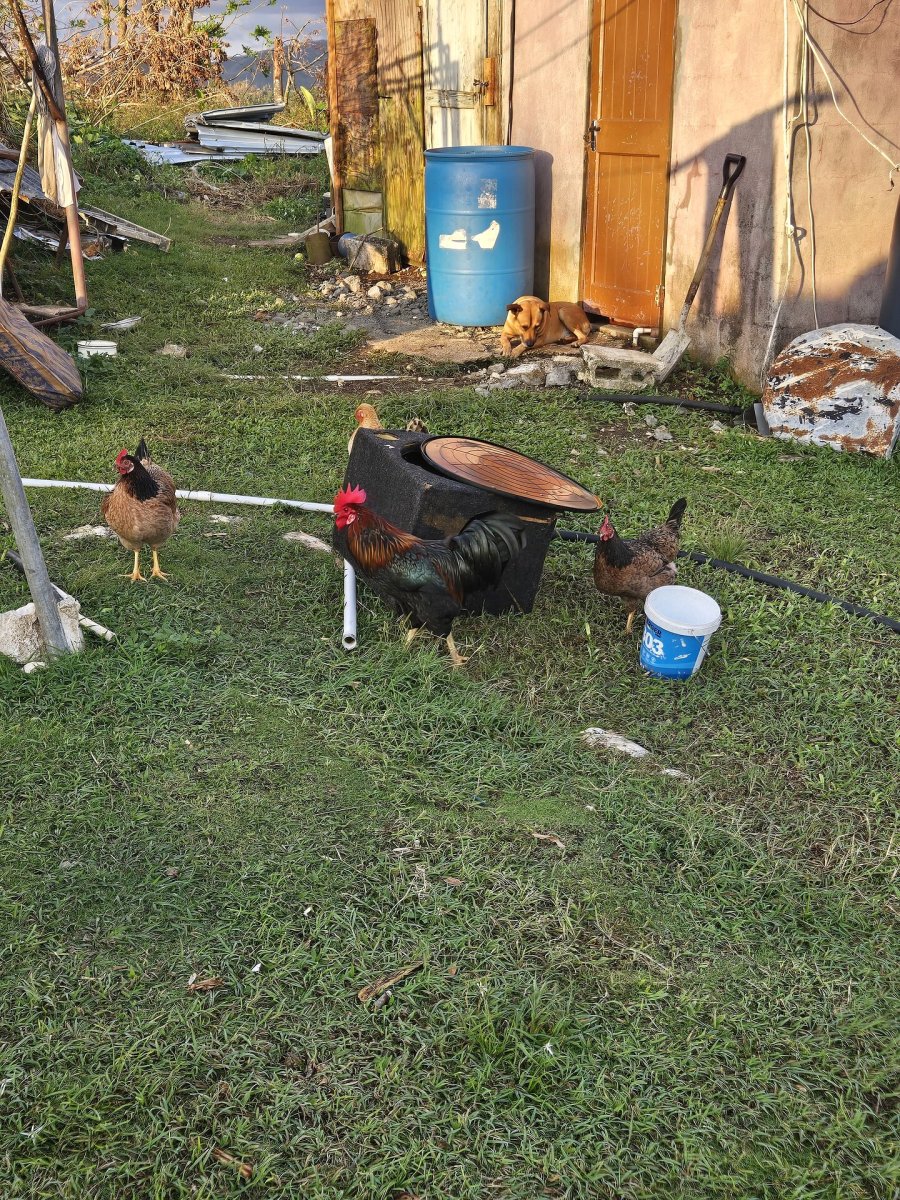
Conditions in Seaford Town on the pre-deployment visit: homes without roofs, debris across the community, and the premises that would become the clinic base.
Medical Outreach — December 13th, 2025
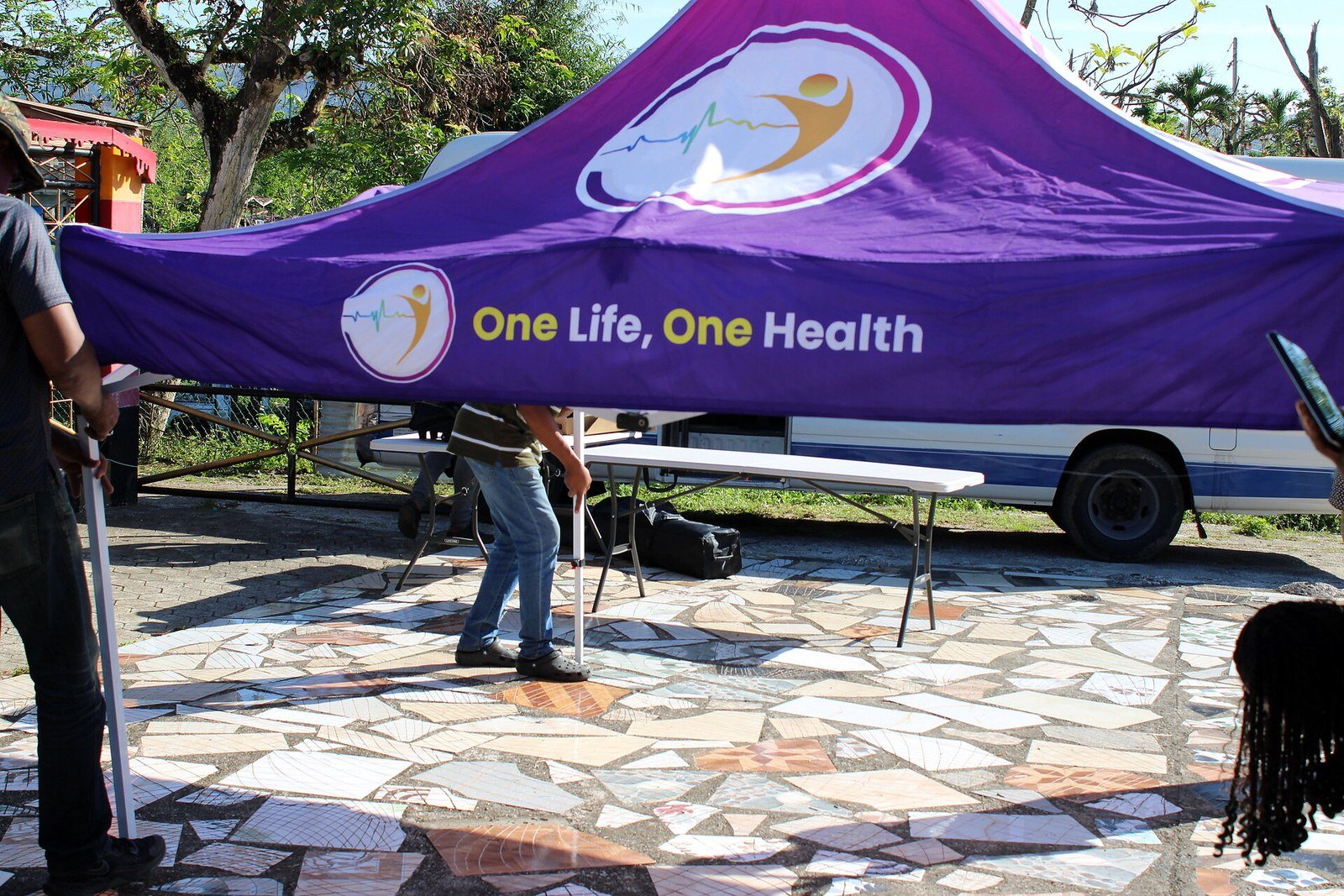
The deployment day, from the early-morning fuel stop to the clinic in operation. Clinical services delivered by MobiCare Medical Centre under the CASSM-funded initiative.
Route and staging


Venue

Clinic operations






Children's space




Community and partners




Photographs: CASSM Foundation Global and MobiCare Medical Center.